Essential Travel Tips for First-Time Explorers to Ensure a Smooth and Enjoyable Journey
Many first-time explorers face common challenges that can be easily avoided with practical preparation. Understanding key travel tips helps to reduce stress and maximise enjoyment during a trip.
Essential travel tips include researching destinations, packing smartly, and planning an itinerary that balances activity and rest. These steps ensure travellers can adapt to new environments confidently and make the most of their experience.
Being aware of local customs, securing important documents, and maintaining a budget are also crucial for a smooth journey. These measures provide a solid foundation for anyone embarking on their first adventure.
Fundamental Planning Advice
Effective travel begins with detailed preparation to avoid unexpected problems. Travellers should carefully gather information and organise key aspects like finances, paperwork, and safety measures before departure.
Researching Your Destination
Thorough research on the destination’s culture, climate, and local laws is essential. Understanding public transport options and common customs helps avoid misunderstandings.
Key resources include official tourism websites, travel forums, and recent traveller reviews. Checking any travel advisories or health warnings is critical for staying informed about safety risks.
Gather details on language basics, currency, voltage standards, and tipping etiquette. Knowing emergency contact numbers and hospital locations can be important in case of emergencies.
Budget Preparation
A clear travel budget outlines all expected expenses, including flights, accommodation, food, and activities. Allocating a contingency fund of 10-15% can cover unforeseen costs.
Prioritising essential expenses helps maintain control over spending. Currency exchange rates impact purchasing power and should be monitored before and during travel.
Using budgeting apps or spreadsheets can keep track of spending in real time. Research free or low-cost attractions and local deals to stretch the travel budget.
Essential Travel Documents
Travellers must ensure their passport is valid for at least six months beyond the return date. Some countries require multiple blank pages for entry stamps.
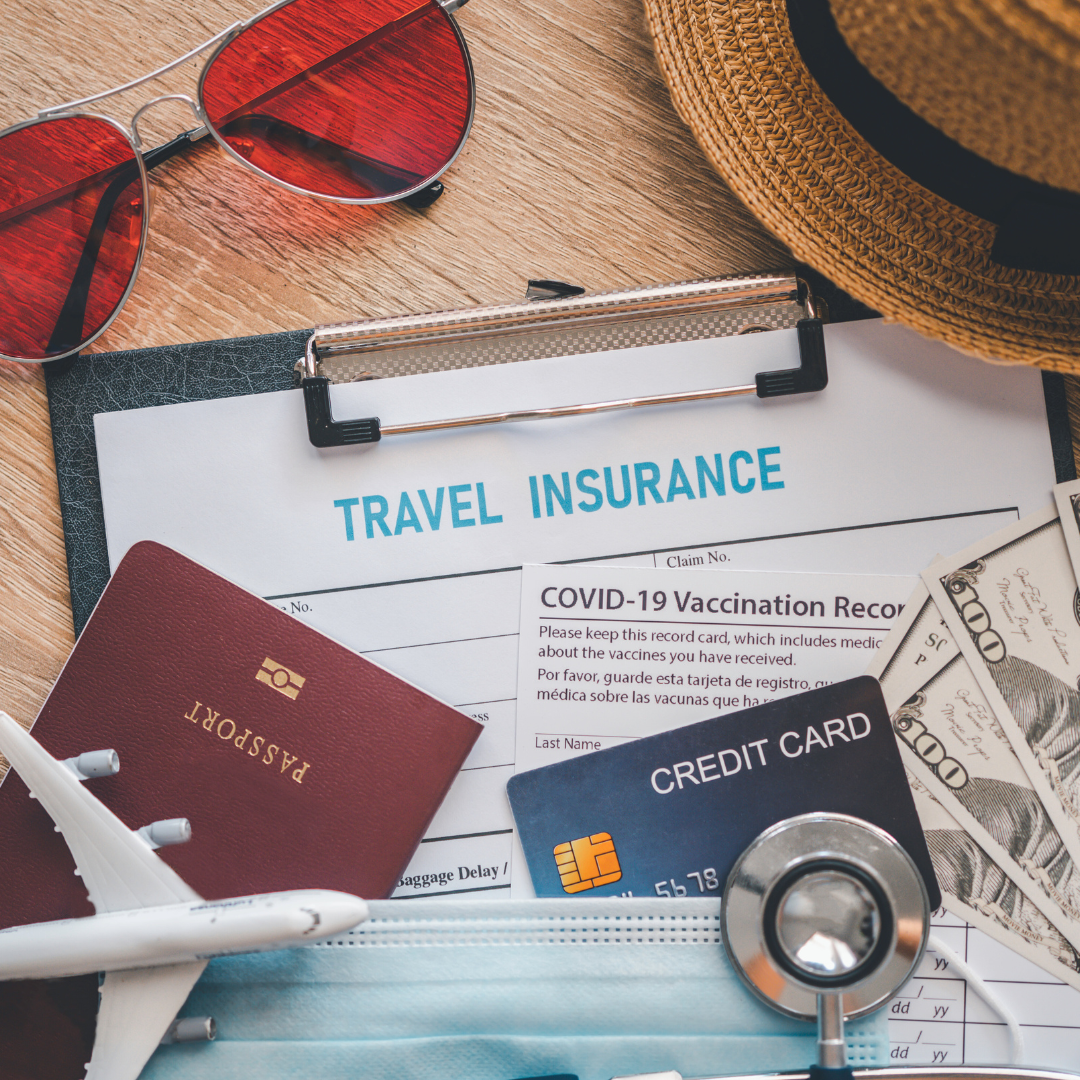
Visas, if needed, should be arranged well in advance, as processing times vary. Copies of important documents—passport, visa, travel insurance, flight tickets—should be kept both digitally and physically.
Health documentation, such as vaccination certificates, might be required, depending on the destination. Checking entry requirements specific to the traveller’s nationality avoids last-minute issues.
Choosing Travel Insurance
Selecting appropriate travel insurance safeguards against trip cancellations, medical emergencies, and lost belongings. Policies should cover both the destination and planned activities.
Review the coverage details carefully, noting exclusions related to pre-existing conditions or high-risk sports. Comparing providers ensures a balance between cost and comprehensive protection.
Keeping insurance contact information accessible during travel enables quick assistance. Registering with a consulate or embassy adds an extra layer of support if needed abroad.
Packing and Preparation Essentials
Effective travel preparation involves choosing the right items, organising important documents, and ensuring safety with medical supplies. Travellers should focus on practical packing strategies and reliable equipment to simplify their journey.
Packing Light and Smart
Packing light helps avoid unnecessary stress and additional baggage fees. Travellers should select versatile clothing suitable for multiple occasions and climates. Layers like a lightweight jacket, basic tees, and convertible trousers maximise space and functionality.
A useful tactic is the roll-and-pack method, which reduces wrinkles and saves room. Limiting footwear to two pairs—a sturdy pair for walking and a casual pair—also keeps luggage manageable. Essential toiletries should be packed in travel-sized containers within a waterproof bag to prevent spills.
Organising items by category inside packing cubes or compression bags streamlines access during the trip. The overall goal is to balance readiness with minimal weight.
Selecting Suitable Luggage
Choosing the right luggage depends on destination and travel style. A durable backpack under 40 litres is ideal for hikes or city breaks, allowing easy movement and hands-free convenience. For longer or business trips, a lightweight cabin suitcase with spinner wheels offers easy mobility.
Look for features like lockable zippers, water-resistant fabric, and separate compartments for electronics. Luggage with built-in USB charging ports can be useful, but should not replace regular power banks.
Weight matters too—empty luggage should be lightweight to maximise the amount travellers can pack without exceeding airline limits. Checking airline baggage restrictions beforehand prevents surprises at the airport.
Organising Digital and Physical Copies
Keeping travel documents accessible and safe is critical. Physical copies of passports, boarding passes, visas, travel insurance, and accommodation details should be stored separately from originals to reduce the risk of loss or theft.
Digital copies stored securely on a smartphone, cloud storage, or email provide backup. Scanning and saving documents on multiple platforms ensures access even without the internet.
Organised folders with clear labels prevent confusion, especially during customs or emergencies. Password-protected apps that store sensitive information offer additional security.
Medical and Emergency Supplies
Basic medical items help travellers handle minor injuries or illness. A compact first aid kit with plasters, antiseptic wipes, pain relief tablets, and any personal prescription medication is essential.
Packing insect repellent and sunscreen is important in many destinations. A list of emergency contacts, including local medical facilities and embassies, should be kept both digitally and in writing.
Vaccination records, if required, need to be accessible. Additionally, travellers should consider travel insurance that covers medical emergencies to avoid unexpected expenses.
On the Move: Navigation and Connectivity
Efficient movement through unfamiliar spaces and reliable communication are key to smooth travel. Understanding how to navigate airports, use public transport, stay connected internationally, and handle local currency minimises stress and saves time.
Navigating Airports Efficiently
Travellers should arrive at least two hours before short-haul flights and three hours before long-haul flights to allow time for check-in and security. Checking in online and downloading boarding passes can speed up the process.
Airport signage can be overwhelming. Focus on clear, large directional signs for gates, baggage claim, and customs. Using airport apps can provide real-time updates on delays or gate changes.
If carrying hand luggage only, knowing the exact size and liquid restrictions for the airline prevents last-minute repacking. Priority or fast-track lanes are useful but often require additional fees or specific ticket classes.
Using Public Transportation
Public transport varies widely, so researching routes ahead is essential. Many cities offer contactless payment or travel cards, which reduce the need for cash and simplify transfers.
Look for official apps providing route maps and schedules, especially in major cities. Night buses or trams may run less frequently, so check service hours in advance.
In some regions, ticket machines only accept coins or local cards. Carry small change and confirm the validation process, which sometimes requires stamping a paper ticket before boarding.
Staying Connected Abroad
Purchasing an international eSIM before departure saves time and removes SIM card swaps upon arrival. eSIMs support multiple countries, allowing data plans to be managed digitally.
Free Wi-Fi is widespread in airports, cafes, and hotels, but it is often unsecured. Using a VPN on public networks can protect personal data.
Many travellers download offline maps and translation apps prior to travel. This reduces reliance on constant internet access and makes navigating and communicating easier in areas with poor coverage.
Managing Money and Local Currency
Using local currency is generally cheaper than paying by card with foreign transaction fees. Exchange rates at airports tend to be less favourable than those at banks or authorised exchange offices.
Carrying a small amount of local cash for markets or transport is advisable, but large sums should be avoided. Many places increasingly accept contactless payments and mobile wallets.
Informing banks of travel plans prevents card blocks. Some cards waive international fees; having a backup card stored separately adds security in case of loss or theft.
Experiencing and Staying Safe Abroad
Travellers must balance curiosity with caution to enjoy their trip fully and securely. Awareness of social norms, common scams, personal safety measures, and open-mindedness enhances the overall experience in a foreign country.
Respecting Local Customs
Understanding and respecting local customs prevents misunderstandings and fosters positive interactions. This includes appropriate dress codes, especially in religious or traditional areas, and using correct greetings or gestures.
For example, removing shoes before entering homes or temples is customary in many Asian countries. Public displays of affection might be frowned upon in conservative cultures. Knowing dining etiquette, such as how to use chopsticks or communal eating practices, also shows respect.
It helps to research specific customs before travelling or ask locals for guidance to avoid accidental disrespect.
Avoiding Local Scams
Common scams target tourists unfamiliar with the area, often involving money or personal information. Examples include taxi drivers overcharging, fake tour guides, or sellers pressuring tourists to buy overpriced goods.
Travellers should agree on taxi fares before the trip and use official services. Avoid engaging with overly friendly strangers offering unsolicited help or deals that seem too good to be true.
Keeping valuables discreet and using trusted booking platforms reduces risk. Always verify information with multiple sources when unsure.
Personal Safety Tips
Staying safe involves vigilance and preparation. Keeping copies of important documents, carrying a basic first aid kit, and knowing emergency numbers are essential steps.
Travellers should avoid poorly lit or isolated areas, especially at night, and trust their instincts if a situation feels unsafe. Keeping belongings close and using bags with secure zips deters pickpockets.
It’s also wise to inform accommodation staff or travel companions about daily plans for added security.
Engaging with New Cultures
Active engagement enriches travel experiences and fosters mutual respect. Learning a few key phrases in the local language opens communication and shows effort.
Participating in local festivals, trying traditional foods, and visiting community markets allow deeper cultural understanding. Observing and asking about customs can lead to meaningful connections and insights.
Showing patience and openness when differences arise helps avoid conflict and enhances enjoyment of the destination.